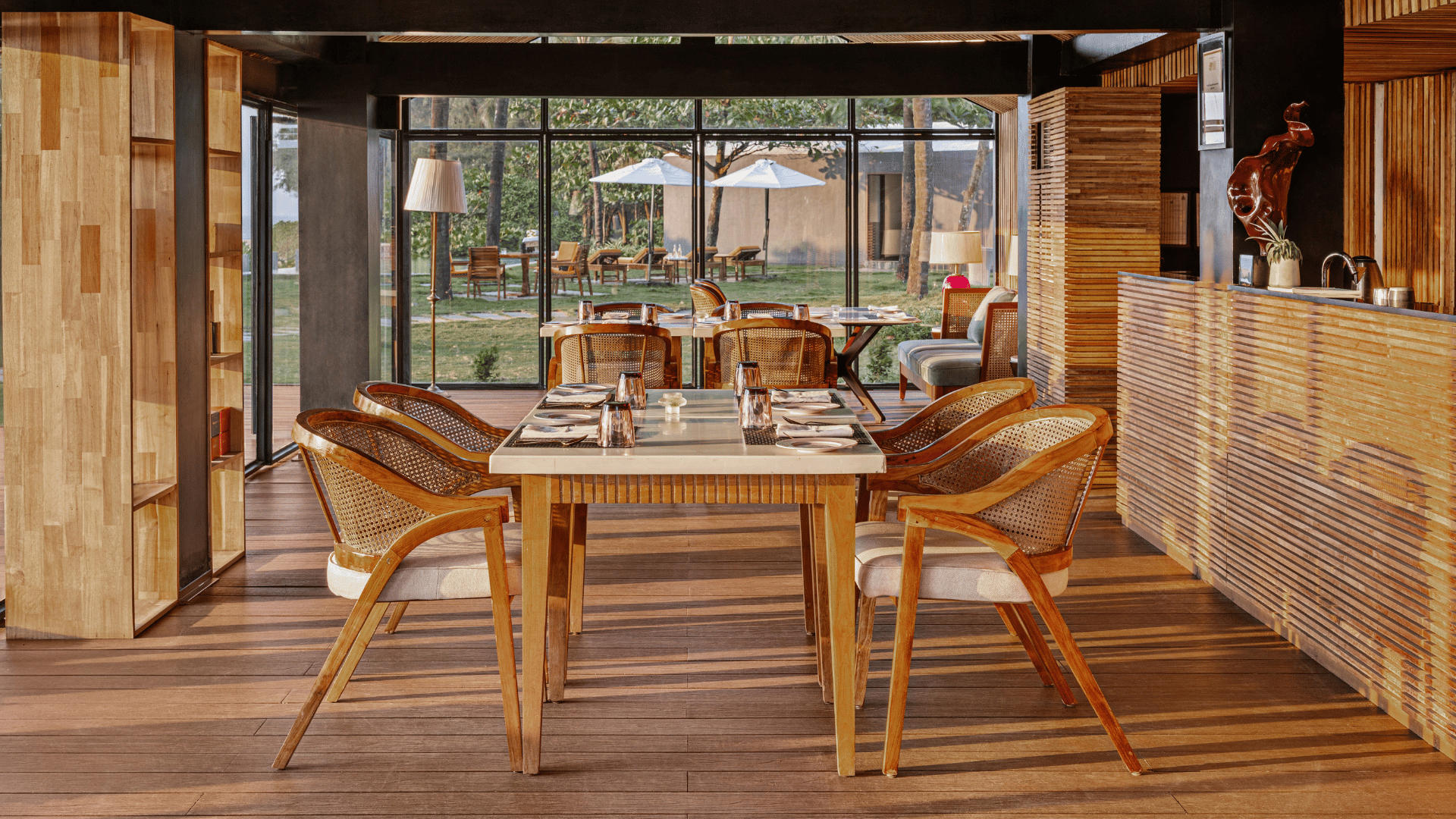
A brochure lists what a hotel has: its rooms, restaurants, facilities and star rating. A postcard tells you about one place, and about someone who was happy there. Both describe a hotel. Only one tells you whether it was truly exceptional.
The difference between a boutique hotel, a resort and a 5-star hotel lies in what each label measures. A boutique hotel is defined by its smaller scale and individual character. A resort is designed around its setting and the experience of spending time there. A 5-star rating is a classification from India's Ministry of Tourism, a recognised benchmark for facilities and service. True luxury is not defined by any one of these labels, but by how carefully everything comes together.
Luxury hospitality has evolved considerably. Today's traveller is not simply looking for more facilities or greater extravagance. Increasingly, true luxury is about the quality of the experience, the individuality of the destination, the attention to detail and, perhaps most importantly, how personally a hotel makes you feel looked after. These categories are not mutually exclusive. In fact, some of the most memorable hotels bring together the best of all three.
At The Postcard Hotel, the belief has always been that true luxury is not defined by how much a hotel offers, but by how thoughtfully everything comes together: the destination, the architecture, the people, the experiences and the freedom to enjoy them at your own pace. It is a more intimate, experiential kind of luxury.
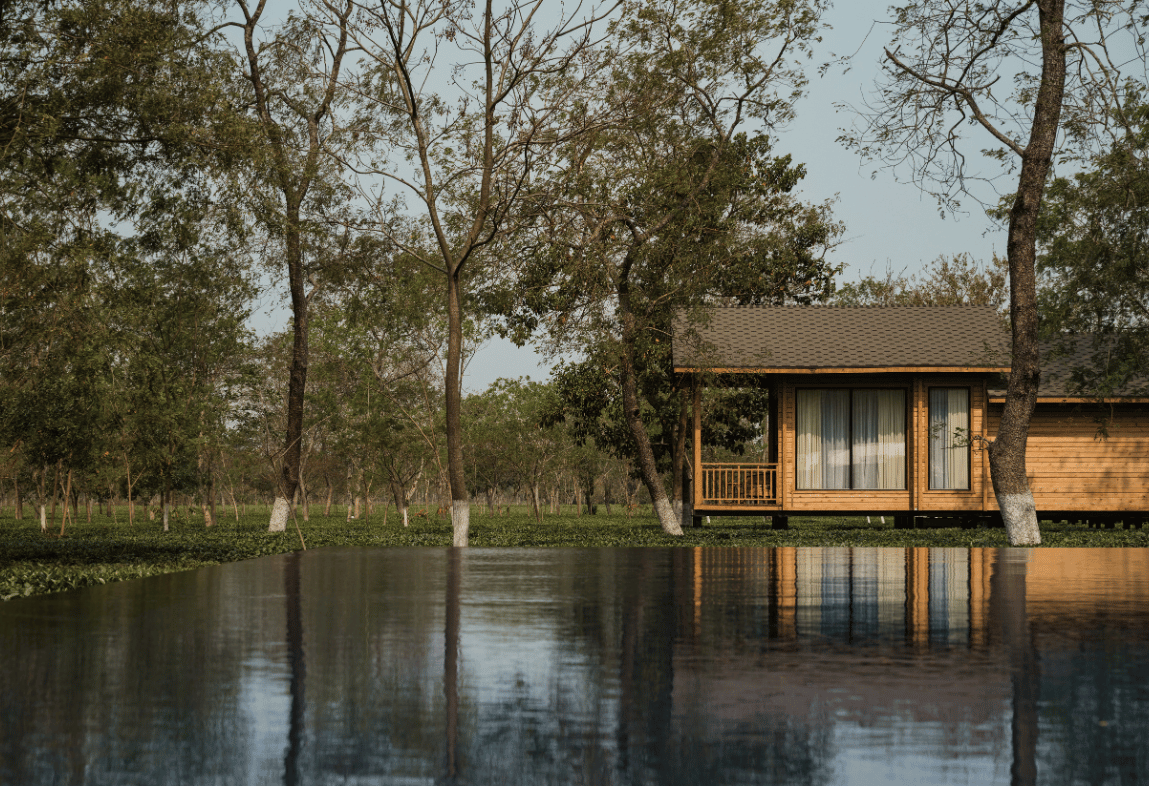
A Morning at The Postcard in the Durrung Tea Estate
Consider The Postcard in the Durrung Tea Estate in Assam.
Set within 1,400 acres of working tea plantations on an estate established in 1864, the hotel has just 12 rooms, including beautifully restored spaces within the Planters' Bungalow and Luxury Chalets overlooking the estate.
The experience is shaped as much by what surrounds the hotel as by what happens within it.
Mornings might begin with freshly brewed Assam tea on your private patio, overlooking the plantations where it is grown. Breakfast is enjoyed at a time that suits you rather than a predetermined hotel schedule. The food introduces you to the region through dishes such as masor tenga, a traditional Assamese fish curry, alongside familiar favourites.
With only 12 rooms, the team has the opportunity to understand individual preferences, remember the smaller details and offer service that feels intuitive rather than prescribed. It is an approach that was recognised internationally when The Gallivanter's Guide named The Postcard in the Durrung Tea Estate its Hotel of the Year 2025. What makes The Postcard in the Durrung Tea Estate special is not simply its scale or its extraordinary location. It is the way the two come together with thoughtful hospitality to create an experience that feels both distinctive and deeply personal.
What Defines a Boutique Hotel?
The term "boutique hotel" is widely used in hospitality, but it is not a formally regulated hotel category in India.
Broadly, boutique hotels are distinguished by their smaller scale, individual identity, considered design and a more personalised approach to service. The Glion Institute of Higher Education suggests a threshold of no more than 100 rooms, although there is no universally accepted definition.
The number of rooms, however, is only part of the story.
Being small does not automatically make a hotel luxurious. What matters is what that scale allows a hotel to do differently.
A smaller hotel creates room for greater individuality in design, a stronger connection to its surroundings and, importantly, a more meaningful relationship between the team and the guest. At The Postcard Hotel, this has been a deliberate choice. The Postcard Hotel has always chosen to create intimate hotels in remarkable destinations rather than building larger properties simply to accommodate more rooms.
From the five individually curated gallery rooms at The Postcard Mandalay Hall in Kochi to the 20 rooms of The Postcard Hideaway, Netravali, spread across 20 acres of forest, the scale is intentional.
It allows each hotel to have its own personality while keeping a consistent philosophy of luxury, attention to detail and genuinely personal service.
What Makes a Hotel a Resort?
A resort is typically a hotel designed to be a destination in itself.
Unlike a city hotel that may primarily serve as a base for exploring a destination, a resort encourages guests to spend a real part of their holiday within the property and its surroundings. Traditionally, resorts are associated with swimming pools, restaurants, spas and recreational facilities. While these remain important, the definition has become far more interesting as travellers seek experiences that are specific to the places they visit. A resort overlooking the Arabian Sea offers an entirely different experience from one surrounded by the forests of Gir or the tea gardens of Assam.
At The Postcard Hotel, the setting is integral to the experience, not simply a backdrop to it. The architecture should respond to its environment. The food should reflect the region. Experiences should introduce guests to something distinctive about the destination. A resort does not need an extensive list of activities to be memorable. Sometimes, what stays with you is the chance to experience a place more deeply, with the comfort, privacy and service of a luxury hotel.
What Does a 5-Star Hotel Rating Mean in India?
In India, official hotel star classifications are awarded through the Ministry of Tourism's Hotel & Restaurant Approval & Classification Committee (HRACC).
According to Outlook Traveller, the voluntary classification system ranges from 1-star to 5-star deluxe, with hotels assessed against established criteria covering facilities, infrastructure, amenities and service standards. A 5-star rating is therefore an important indicator of the standards a hotel is expected to maintain. It gives travellers a recognised reference point for the facilities and services available. However, it is important to distinguish between a classification and the overall experience of luxury.
A hotel can meet the most exacting physical standards and still lack individuality. Equally, a small hotel with fewer facilities may offer a rare level of comfort, attention and personalisation. This is not an argument against star ratings. They serve a valuable purpose. But true luxury goes beyond compliance with a checklist. It lies in the quality of thought, care and execution behind the experience.
Three Things That Define True Luxury
Luxury means different things to different travellers, but three principles consistently distinguish exceptional hotels.
1. A Genuine Sense of Place
The most memorable hotels could not simply be replicated in another destination.
Their architecture, interiors, cuisine and experiences have a real relationship with where they are located. At The Postcard Gir Wildlife Sanctuary, the hotel is set within 16 acres of mango orchards, close to the last remaining natural habitat of the Asiatic lion. The landscape, local traditions and wildlife experiences are fundamental to the identity of the hotel.
At The Postcard Mandalay Hall in Kochi, the city's artistic heritage and the creative character of Mattancherry shape the experience of staying in a hotel where every room is also a carefully curated gallery. Luxury becomes far more meaningful when a hotel gives guests a deeper understanding of the destination rather than offering an experience that could belong anywhere.
2. Service That Is Personal, Not Prescribed
Exceptional service is not necessarily about formality or elaborate gestures.
It is about the ability to understand a guest, recognise preferences and respond with care, often without being asked. It could be remembering how someone takes their morning coffee, understanding when they would prefer privacy or recommending an experience based on a conversation rather than a standard itinerary.
Smaller hotels have a natural advantage here: with fewer guests, a team can come to know each one. At The Postcard Hotel, the finest service is warm, intuitive and quietly efficient. It makes guests feel comfortable and understood, rather than constantly reminded that they are being served.
3. The Luxury of Time
One of the most valuable luxuries a hotel can offer is freedom from unnecessary schedules.
Travel already involves enough planning. A holiday should offer the opportunity to slow down and spend time as you choose. This thinking has shaped some of the most fundamental aspects of The Postcard Hotel experience, including its approach to breakfast and to arrival and departure timings.
Anytime check-in and check-out at The Postcard Hotel is designed to give guests greater flexibility around their travel plans, rather than making every stay conform to conventional hotel timings. Guests are encouraged to share their preferred arrival and departure times at the reservation stage so that the hotel can confirm the arrangements, subject to availability. Once confirmed, this flexibility is extended without an additional charge.
And Breakfast has no timings at all. It is cooked to order and served whenever guests wake, whether that is seven in the morning or three in the afternoon. These may appear to be small changes to traditional hotel operations, but they reflect something much more significant: designing the hotel experience around the guest rather than expecting the guest to adapt to the hotel's processes.
Boutique Hotel, Resort or 5-Star Hotel: Which Should You Choose?
There is no single answer, because the right hotel depends on what you value most from a particular holiday.
A large 5-star hotel may be ideal for travellers who enjoy an extensive choice of restaurants, leisure facilities, organised activities and event spaces within one property. A resort is particularly appealing when the intention is to spend time immersed in one destination, enjoying its surroundings and experiences without the need to travel extensively each day. A boutique hotel often appeals to travellers seeking privacy, individuality, a more intimate atmosphere and service that can be tailored to personal preferences.
Importantly, these distinctions are not absolute.
A boutique hotel can be a resort. A 5-star hotel can offer deeply personalised service. And some of the finest hotels combine an intimate scale, superb facilities and a remarkable sense of place. The more useful question is not which category is superior, but which hotel has been most carefully created for the experience you are seeking.
At The Postcard Hotel, luxury has never been about choosing between an extraordinary destination and a great hotel. The two should strengthen each other.
Frequently Asked Questions
What does true luxury mean in a hotel?
True luxury extends beyond facilities, design and star ratings. It is defined by the quality of the experience, attention to detail, comfort, privacy, a strong sense of place and service that responds to individual preferences. The finest luxury hotels make these elements feel effortless.
What is the difference between a boutique hotel, a resort and a 5-star hotel?
A boutique hotel is generally characterised by smaller scale, individuality and personalised service. A resort is designed around its setting and the overall holiday experience. In India, an officially classified 5-star hotel meets standards established by the Ministry of Tourism for facilities and services. A hotel can belong to more than one of these categories.
How many rooms does a boutique hotel typically have?
There is no officially prescribed room count for boutique hotels in India. The Glion Institute of Higher Education suggests a maximum of 100 rooms, although many luxury hotels operate on a much smaller scale. The Postcard Mandalay Hall in Kochi, for example, has just five rooms, while The Postcard in the Durrung Tea Estate has 12.
Who awards 5-star hotel ratings in India?
The Ministry of Tourism, Government of India, through the Hotel & Restaurant Approval & Classification Committee (HRACC), administers the voluntary hotel classification system. Categories range from 1-star to 5-star deluxe, and classifications are generally valid for five years.
Are boutique hotels suitable for families?
Absolutely. Many boutique hotels are particularly well suited to families looking for privacy, personalised attention and the flexibility to enjoy a holiday at their own pace. Larger resorts may be preferable for families specifically seeking extensive children's facilities, multiple pools or structured recreation programmes.
How do I choose a hotel within The Postcard Hotel collection?
Begin with the destination and the kind of experience you would like to have.
You might choose the tea gardens of Assam at The Postcard in the Durrung Tea Estate, the forests of The Postcard Hideaway, Netravali, the riverfront setting of The Postcard on the Mandovi River in Goa, the dramatic Stok mountain landscape at The Postcard in the Himalayan Willows in Leh, the wildlife of The Postcard Gir Wildlife Sanctuary or the uninterrupted ocean views at The Postcard on the Arabian Sea.
Every hotel in The Postcard Hotel collection has its own character, architecture and experiences, all shaped by its location. What remains consistent is a philosophy of thoughtful, personal and unhurried luxury.
What is The Postcard Hotel?
Founded in 2018 by Kapil Chopra, along with a team of seasoned luxury hoteliers including Akanksha Lamba, Anirudh Kandpal and Raman Bansal, The Postcard Hotel is a collection of intimate, experiential luxury hotels in remarkable destinations, with a strong emphasis on individual character, considered design, local experiences and personalised service.
The brand was recognised as Asia's Leading Boutique Hotel Brand at the World Travel Awards 2026, alongside several individual hotel honours.
Every hotel in The Postcard Hotel collection is built around the belief that luxury is not simply about what a property offers, but how well it delivers the experience. Signature elements include anytime breakfast and flexible check-in and check-out arrangements, subject to prior confirmation and availability.
Beyond the Brochure
A brochure can tell you how many rooms a hotel has, which facilities it offers and what its location looks like.
What it cannot fully capture is how a place makes you feel.
That distinction has always mattered at The Postcard Hotel. The choice has been to build smaller, design with more care and place greater emphasis on the experiences and relationships that make travel memorable.
Because ultimately, the finest measure of luxury is not how much a hotel has to offer, but how much of the experience stays with you after you leave.
Perhaps that is the difference between a brochure and a postcard. One tells you what to expect. The other reminds you of somewhere worth returning to.
Explore The Postcard in the Durrung Tea Estate or discover The Postcard Hotel.
Book directly with The Postcard Hotel and enjoy the benefits of The Postcard Sunshine Club, including earning Sunshine Points on eligible stays.