Many hotels across India offer the same menu of activities regardless of where they are. A cooking class in Rajasthan looks much like one in Kerala. A nature walk in the Western Ghats follows the same script as one in Ladakh. The guest could be anywhere. The Postcard Hotel, a collection of intimate luxury hotels across India and beyond, takes a different position.
The Postcard Hotel builds each stay around what the place already does: the region's own food, its walks, and the rhythm of its seasons, rather than adding activities made for tourists. The result is that experiences feel part of the destination. A Ladakhi bukhari warming a room in Leh, Assamese fish tanga served in a tea estate kitchen, or a ghee roast learnt from local home cooks on the Karnataka coast are not performances. They are the place itself, continuing as it would whether or not a guest is watching.
TL;DR - Summary
- What makes a local experience feel natural? - It exists without guests. It follows the local calendar and pace, is led by people from the place, and is intimate in scale. The Postcard Hotel builds each property around what the destination already offers rather than importing activities from elsewhere.
- Why do many hotel experiences feel staged? - They are designed around the hotel's schedule and the widest possible audience, not the place. UN Tourism's Global Code of Ethics for Tourism encourages tourism conducted in harmony with the destination, yet many hotels still default to generic programming.
- Does every Postcard Hotel offer the same experiences? - No. Each hotel follows its own place. The Postcard in the Himalayan Willows reflects Ladakh's landscape. The Postcard on the Arabian Sea draws on four coastal Karnataka cooking traditions. The Postcard in the Durrung Tea Estate follows the rhythms of a working Assam plantation.
- How can guests get the most from local experiences? - Tell the hotel your interests before arrival, leave unplanned time in the day, eat what the region eats, and ask the team what is happening locally that week.
MANY HOTEL EXPERIENCES ARE DESIGNED FOR THE HOTEL, NOT THE PLACE
A staged experience is one built for visitors. It runs on the hotel's clock, fits the widest audience, and could be transplanted to any property in any region without much adjustment. The pottery session, the spice tour, the sunset cocktail ritual: these exist because a guest expects an activity, not because the place has something specific to share.
UN Tourism's Global Code of Ethics for Tourism, adopted in 1999 and recognised by the United Nations General Assembly in 2001, states that tourism activities should be "conducted in harmony" with the attributes and traditions of host regions. The Framework Convention on Tourism Ethics, adopted in 2019, reinforced this principle as binding international guidance. Yet the gap between the principle and common hotel practice remains wide. Most properties still fill a guest's day with programming that could belong to any destination.
A NATURAL EXPERIENCE EXISTS WHETHER OR NOT A GUEST IS WATCHING
A local experience feels natural when it meets four conditions. First, it exists without guests. The dish was cooked before the hotel opened. The walk follows a path locals use. The warmth comes from a heating method the region has relied on for generations.
Second, it follows the local calendar and pace. Seasons, harvests, and weather shape what is available, not a fixed annual brochure. Third, it is led by people from the place, whose knowledge is lived rather than trained for hospitality. Fourth, it is intimate in scale. A large group changes the texture of any local encounter. Fewer guests allow the experience to stay close to its original form.
IN THE MOUNTAINS, THE LANDSCAPE SETS THE PACE
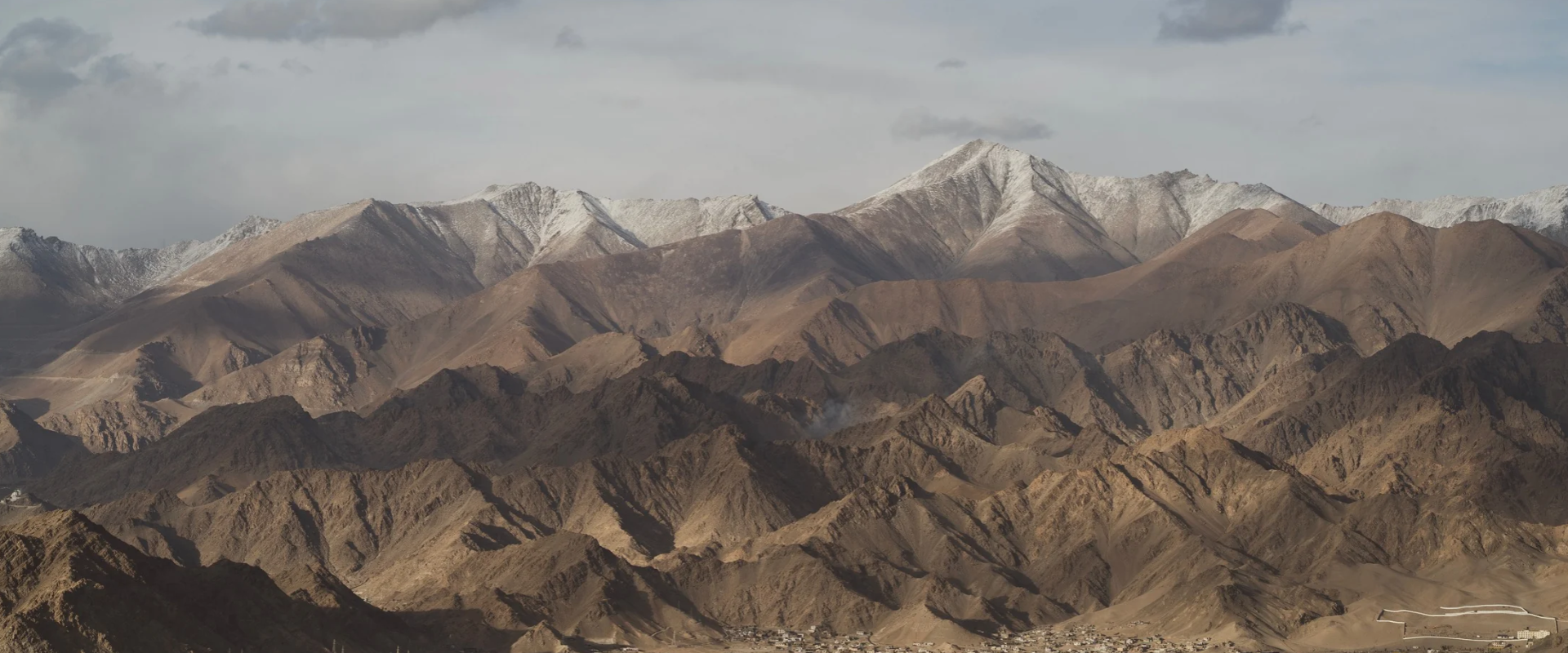
The Postcard in the Himalayan Willows sits in Stok, Leh, looking out at the Stok Ridge. The rooms have floor to ceiling windows framing that view. Inside, traditional Ladakhi bukharis provide warmth, a heating method the region has used long before any hotel arrived. Each room also features a sun parlour designed for reading or simply taking in the light. The experience here is not a list of scheduled excursions. It is the mountain itself, its scale, its silence, and its weather, entering the room.
The Postcard Dewa, Thimphu sits on the outskirts of the Bhutanese capital, in the Khasadrapchu valley by the Wang Chhu river. It has thirteen rooms and two suites. The food is shaped by Bhutan's culinary heritage, with dishes like Ema Datshi and Paksha Paa. Temple hikes and riverside picnic baskets follow the terrain and traditions of the valley, not a resort itinerary. What a guest encounters here belongs to Thimphu, not to a hotel programme.
ON THE TEA ESTATE, THE PLANTATION SHAPES THE DAY
The Postcard in the Durrung Tea Estate is set on 1,400 acres of working tea plantations near Tezpur, Assam. Twelve rooms are spread across the Planters' Bungalow and Luxury Chalets. The estate dates to 1864, and its daily rhythms follow the pace of cultivation rather than a resort schedule.
The kitchen serves Assamese dishes such as fish tanga and bamboo shoot curry. These are not restaurant interpretations of regional food. They are what the region eats, prepared in the manner the region prepares them. The plantation workers going about their day, the endless cups of tea, the original character preserved in the rooms: none of this was arranged for a visitor. It was already there.
ON THE COAST, FOUR COOKING TRADITIONS MEET THE SEA
The Postcard on the Arabian Sea has nine rooms on Maravanthe Beach, Karnataka. All rooms face the ocean. The kitchen draws on four distinct coastal traditions: Bunt, Goud Saraswat, Catholic, and Konkani Muslim cooking. Ghee roasts and Kundapur chicken curry appear on the menu because they are what this stretch of coast has always cooked, not because a chef designed a tasting menu for travellers.
The experience at this property is shaped by the sea and the communities around it. The food, the pace, and the view are not additions. They are the reason the hotel is here. A guest eating a ghee roast learnt from local home cooks is participating in something the coast does daily, not watching a demonstration.
GUESTS CAN SHAPE THEIR STAY BY STAYING OPEN
All practical advice belongs here. First, tell the hotel your interests before arrival. The team at each property in The Postcard Hotel collection knows what the destination offers and can suggest what fits the season and the guest's pace.
Second, leave unplanned time. The most natural experiences are often unscheduled: a walk that happens because the light is right, a dish that appears because the ingredient arrived that morning. Third, eat what the region eats. Regional cuisine is one of the most direct ways to understand a place. Fourth, ask the team what is happening locally that week. A local market, a seasonal shift, a community gathering: these are the things no brochure can predict, and they are often the most memorable part of a stay.
Each property in The Postcard Hotel collection follows its own place. There is no single programme applied across destinations. A guest at The Postcard in the Himalayan Willows will have a fundamentally different experience from one at The Postcard on the Arabian Sea, because Ladakh and coastal Karnataka are fundamentally different places. That difference is the point.
Stay at The Postcard in the Himalayan Willows, The Postcard Dewa, The Postcard in the Durrung Tea Estate or The Postcard on the Arabian Sea, explore The Postcard Hotel collection, or book your escape.