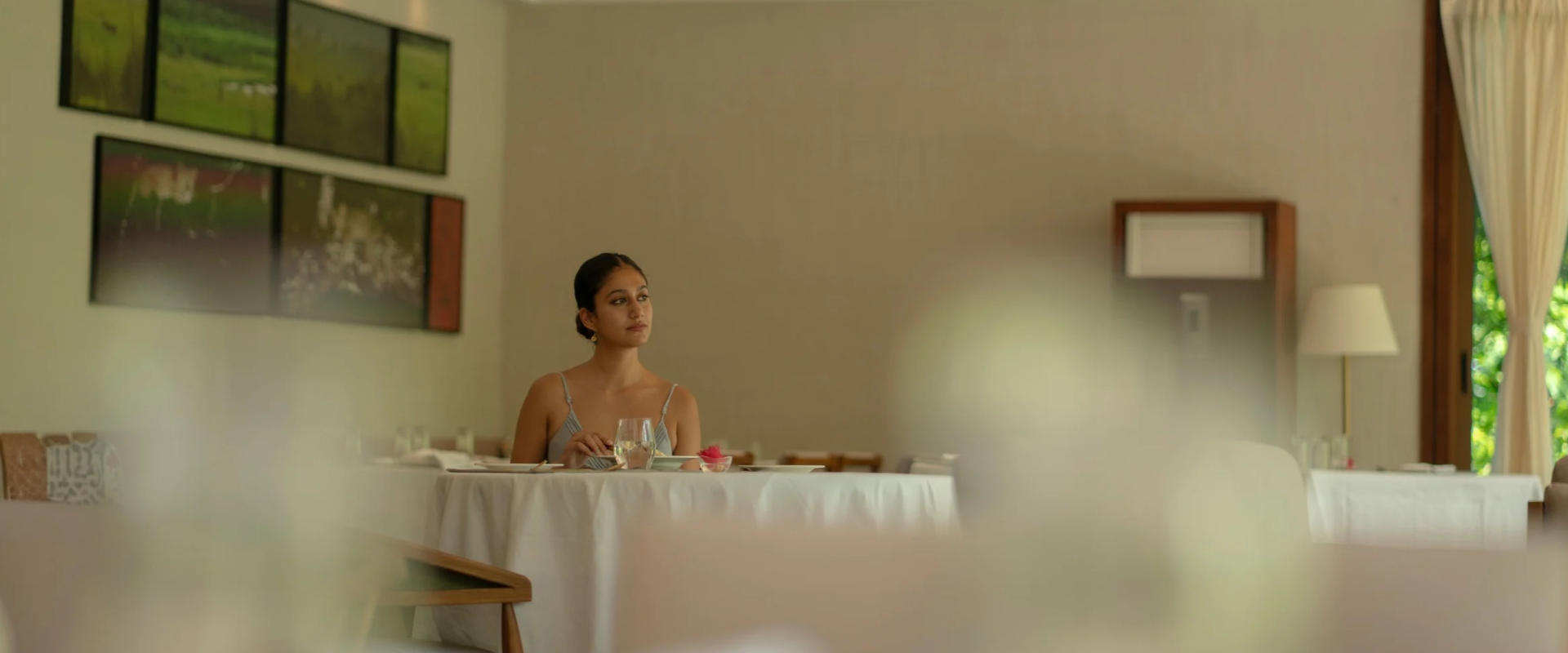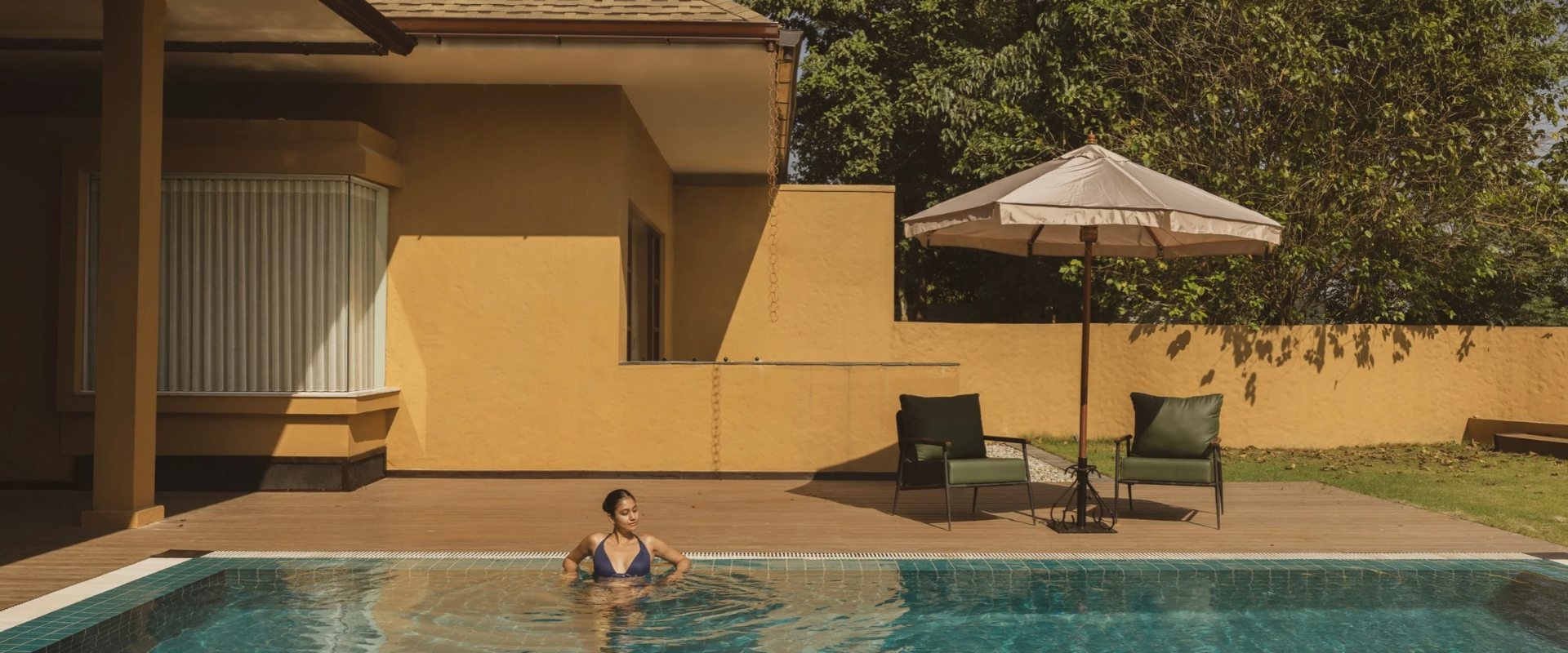
Wellness travel is often sold as a menu of treatments. A list of therapies, timed sessions, a spa brochure slipped under the door. Yet the hours between those appointments shape most of a stay. The light in the room at dawn. The sound of nothing at all. The view from a window that opens onto land rather than a corridor. These are the things that do steady, quiet work on how a guest feels, and they happen without a booking.
A wellness stay where the setting does much of the work feels slower and quieter. Days follow natural light. Time is spent outdoors. Rooms open onto landscape rather than corridors. Rest comes from space and silence as much as from any therapy. At The Postcard Hotel, properties are shaped by their surroundings, so the setting is not a backdrop to wellness; it is the substance of it.
TL;DR - Summary
- Why does setting matter for rest? - A 2019 study published in Scientific Reports found that spending at least 120 minutes a week in nature is associated with good health and wellbeing. The World Health Organization notes that noise above 30 dB(A) in bedrooms begins to disturb sleep. Quiet, natural surroundings do measurable work on how rested a person feels.
- What should you look for? - Before reading a spa menu, look for quiet, natural light, outdoor space, privacy and an unhurried rhythm. These qualities shape the hours between any scheduled treatments and determine how restorative a stay actually feels.
- Where does The Postcard Hotel fit? - The Postcard Hotel collection includes properties in the Himalayas, Bhutan, Assam and on the Karnataka coast. Each is intimate, shaped by its location, and designed so the setting itself contributes to rest.
- Do you need spa treatments? - A wellness stay does not require a packed treatment schedule. When the setting provides quiet, daylight, walking and space, treatments become a welcome addition rather than the entire point.
THE EVIDENCE THAT SETTING SHAPES REST
The idea that time outdoors supports wellbeing is not new, but the scale of evidence behind it has grown. In 2019, Mathew White and colleagues at the University of Exeter published a study of nearly 20,000 people in the journal Scientific Reports. The paper found that spending at least 120 minutes a week in nature is associated with good self reported health and high self reported wellbeing. The threshold held across demographics and even for people with long term illnesses.
Quiet matters too. The World Health Organization's Guidelines for Community Noise recommend less than 30 dB(A) in bedrooms during the night for sleep of good quality. That is roughly the level of a still rural room with the window closed. Most urban hotels sit well above it. When a guest sleeps in genuine quiet, surrounded by natural sound rather than mechanical hum, the difference is felt within a single night.
These findings point to something practical. A setting that provides time in nature, low noise and natural light is not merely pleasant. It is doing real, measurable work on sleep, stress and mood.
WHAT THIS MEANS WHEN CHOOSING A WELLNESS STAY
The instinct when booking a wellness trip is to compare treatment lists. How many therapies are offered, which traditions are drawn on, how long each session lasts. These details have their place. But the research above suggests a different starting point.
Look first for quiet. Not managed silence piped through speakers, but the genuine absence of noise that comes from a property set apart from traffic and crowds. Look for daylight, rooms that face open sky rather than interior courtyards. Look for outdoor space that a guest can reach on foot, without a transfer or a schedule. Look for privacy, which in practice means fewer rooms and more land. And look for an unhurried rhythm, a place where the day is not segmented into slots.
When these qualities are present, treatments become something a guest chooses to add. They are not the only source of rest.
LIGHT AND MOUNTAINS AT THE POSTCARD IN THE HIMALAYAN WILLOWS, LEH
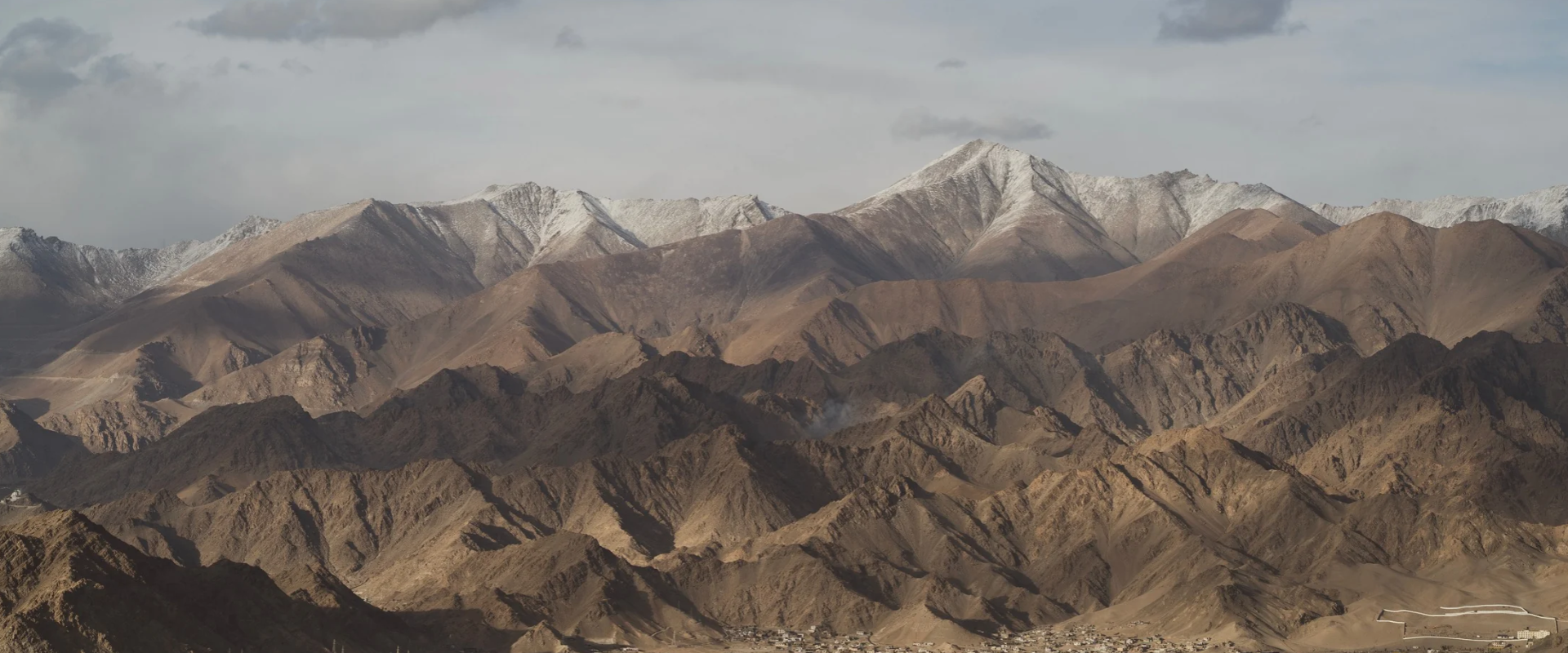
The Postcard in the Himalayan Willows sits in Leh, facing the Stok Ridge. Floor to ceiling windows bring the mountains into each room. A sun parlour in every room catches the high altitude light that Ladakh is known for. Traditional Ladakhi bukharis provide warmth without the noise of forced air systems.
The Ladakh Tourism advisory states that all tourists arriving in Leh must undergo at least 48 hours of complete rest for acclimatisation before travelling to higher altitude areas. That official requirement means the first days at The Postcard in the Himalayan Willows are naturally slow. There is no pressure to fill them. A guest sits in light, looks at mountains, and lets the body adjust. The setting enforces the pace that most wellness programmes try to create through scheduling.
WALKING AND WATER AT THE POSTCARD DEWA, THIMPHU
The Postcard Dewa, Thimphu sits in the Khasadrapchu valley in Bhutan, overlooking the Wang Chhu River. It has 13 rooms and two suites. The valley is forested and quiet, close enough to Thimphu to reach the capital's temples and markets, far enough to hear the river from a room.
Days here tend to organise themselves around walking. Temple hikes lead through forest and uphill to ancient Buddhist sites. When a guest prefers something gentler, the hotel's chefs prepare picnic baskets to be taken down to the riverbank. The pace is set by the landscape: how far a trail goes, how long the light lasts, how the river sounds at different times of day. Rest follows from movement and fresh air, not from lying still.
SPACE AND QUIET AT THE POSTCARD IN THE DURRUNG TEA ESTATE, TEZPUR
The Postcard in the Durrung Tea Estate sits on 1,400 acres in Tezpur, Assam. There are twelve rooms, spread across the Planters' Bungalow and Luxury Chalets. Each room has a private patio that opens directly onto the estate.
The ratio of land to guest here is striking. With that much space, quiet is not something the hotel needs to manufacture. It is simply what surrounds each room. Mornings begin with birdsong and the particular stillness of a working tea estate before the day's picking starts. The scale of the land means a guest can walk for a long time without seeing another person. That kind of solitude, chosen rather than imposed, is one of the most effective forms of rest there is.
THE SEA AT THE POSTCARD ON THE ARABIAN SEA, KARNATAKA
The Postcard on the Arabian Sea has nine rooms, all facing the ocean. The sound of the sea is constant. It provides the kind of low, steady background noise that sits well below the thresholds the World Health Organization identifies as disruptive to sleep.
A coastal setting offers something different from mountains or forest. The horizon is open and unbroken. Light changes through the day as the sun moves over water. There is no agenda built into the landscape, no trail to follow or summit to reach. The sea simply continues, and a guest's attention can rest on it without effort. That quality of effortless attention is what many people are looking for when they search for a wellness stay, even if they describe it differently.
HOW TO LET THE SETTING DO ITS WORK
Arrive without a packed schedule. Leave the first morning free and spend it outdoors, even if that means sitting on a patio with nothing planned. Keep screens away in the evening, when natural light is doing its work on the body's sleep signals. Walk daily, at whatever pace feels right. Eat what the region eats, because local food is part of the setting too. And book any treatments around the setting rather than the other way round. Let the landscape, the light and the quiet carry the hours, and add a therapy session when it feels right, not because a schedule says so.
A wellness stay shaped by its setting does not need to be complicated. It needs a place where the land, the light and the quiet are good enough to do steady work on their own. The Postcard Hotel collection is built around that principle: intimate properties in distinct locations, each shaped by its surroundings, where the setting is not a backdrop but the substance of the stay.
Stay at The Postcard in the Himalayan Willows, The Postcard Dewa, The Postcard in the Durrung Tea Estate or The Postcard on the Arabian Sea, explore The Postcard Hotel collection, or book your escape.