A tea estate stay in India is not a hotel with a view of tea. It is a stay inside a working plantation, where the landscape is the experience. The rows of tea bushes begin at the edge of the garden and stretch to the horizon. Morning light falls across the estate before the day's plucking begins. The air carries the green, vegetal scent of fresh leaf. Everything about the stay follows the rhythm of the land around it.
Staying on a tea estate means waking to a landscape that is already at work. The quiet is not emptiness; it is the sound of a plantation going about its day. Guests walk between rows of waist high bushes, watch the light shift across the canopy trees, and return to a planters' bungalow where the pace is set by the estate, not by an itinerary. The Postcard in the Durrung Tea Estate, set across 1,400 acres of tea plantation in Assam, is one example of this kind of stay.
THE WORKING LANDSCAPE
A tea estate is not a garden. It is an agricultural operation that can cover hundreds or thousands of acres. Shade trees stand above the tea bushes. Paths wind between sections of the plantation. The land is contoured, often gently sloping, and the geometry of the planted rows gives the landscape a particular order.
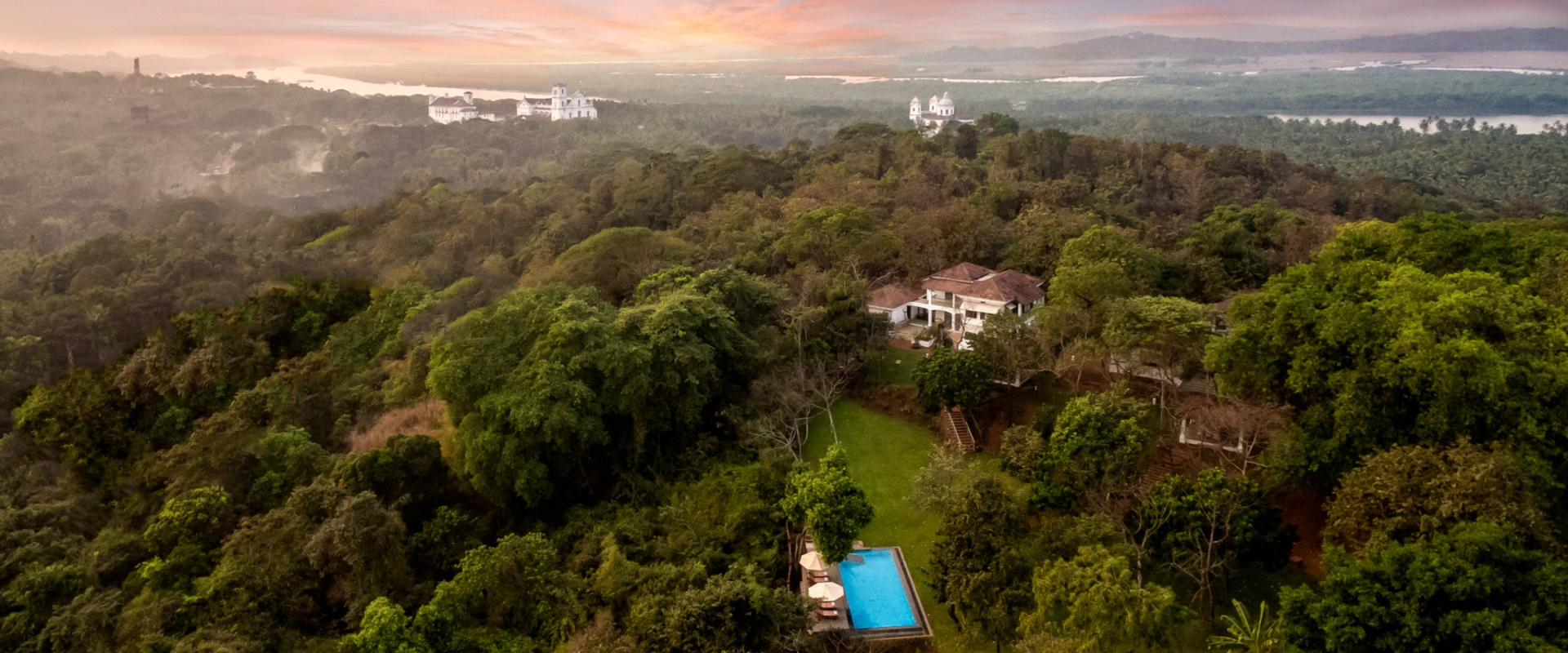
At The Postcard in the Durrung Tea Estate, the plantation covers 1,400 acres. Guests stay within the estate itself, in the Planters' Bungalow or the Luxury Chalets. The tea bushes are not scenery viewed from a terrace; they surround the property on every side.
THE RHYTHM OF A DAY ON THE ESTATE
Mornings on a tea estate begin early. Light reaches the bushes before it warms the bungalow. The estate is already active: plucking, if it is the season, starts with the cool hours. Guests who walk out early will see the plantation at its most alive.
By mid morning, the pace slows. Afternoons are unhurried. There is no schedule to follow, no list of activities to complete. A cup of tea on the verandah, a walk along the estate paths, a book in a quiet room. Evenings arrive gently, and the estate grows still.
At The Postcard in the Durrung Tea Estate, anytime check in and check out(subject to availability, confirmed at booking, at no additional charge) means the day belongs to the guest from the start.
ESTATES AND PLANTERS' BUNGALOWS
Many of India's tea estates date to the nineteenth century. The Durrung Tea Estate, was established in 1864. The planters' bungalow, a style of house built for estate managers, is a defining feature of these properties: wide verandahs, high ceilings, rooms designed for a climate that swings between heat and rain.
Staying in a planters' bungalow is not a heritage exercise. It is simply the architecture that belongs to the place. The proportions, the relationship between indoors and outdoors, the way the building sits within the plantation; all of it was shaped by the estate's working life.
FROM BUSH TO CUP
Tea production follows a seasonal cycle. According to the Tea Board of India, Assam produces several flushes each year, with the first flush beginning in early spring and the second flush, prized for its malty character, arriving in summer. The process moves from plucking the top two leaves and a bud, through withering, rolling, oxidation and drying.
Understanding this process, even simply, changes the way a guest tastes the tea served at breakfast. It is no longer just a drink. It is the product of the land outside the window.
FOOD AND HOSPITALITY ON THE ESTATE
Estate hospitality is shaped by the region. In Assam, that means food drawn from local ingredients and traditional preparations. Meals tend to be simple, seasonal and specific to the place. Authentic regional cuisine at a tea estate stay is not a restaurant concept; it is a reflection of where the estate sits.
At The Postcard in the Durrung Tea Estate, anytime breakfast (with no cut off) allows guests to begin the day on their own terms. The approach to food follows The Postcard Hotel collection's commitment to regional cooking rooted in local tradition.
WHO A TEA ESTATE STAY SUITS
A tea estate stay is for travellers who find pleasure in quiet, in walking, and in understanding a place rather than ticking off sights. Couples looking for privacy and space. Families who want room to move without a structured programme. Anyone practising slow travel, where the point is not distance covered but depth of experience.
It does not suit those who want nightlife, shopping or a packed itinerary. It rewards patience and attention. For guidance on comparing tea regions and planning a trip, the blog on how to choose a tea estate stay in India covers that ground.
A tea estate stay is, at its simplest, a way of living inside a landscape that has its own purpose and its own pace. The Postcard in the Durrung Tea Estate offers one version of that experience: 1,400 acres of plantation, a planters' bungalow, regional food, and the freedom to follow the estate's rhythm or none at all. It is a stay defined not by what is provided, but by what surrounds it.
Stay at The Postcard in the Durrung Tea Estate, explore The Postcard Hotel collection, or book your escape.