A wildlife stay in India can do something rare. It can slow a guest down long enough to notice the forest floor, the shift of light through sal trees, the particular silence of a landscape that has been left alone. The Postcard Hotel builds its wildlife hospitality around this conviction: that the hotel's role near a protected forest is not to fill the hours but to help a guest pay closer attention to the place.
Wildlife hospitality in India deepens the landscape when the hotel treats the forest as the reason for every design choice. That means quiet buildings, low artificial light at night, regional food, unhurried time between drives, and hosting that explains the ecology rather than performing luxury. The stay becomes a way of understanding the place, not a distraction from it.
QUIET, LIGHT AND SCALE SHAPE A WILDLIFE STAY
Near a wildlife sanctuary, the hotel's physical presence matters. Bright floodlights after dark disrupt nocturnal animals. Loud music carries across a forest boundary. Large guest numbers increase pressure on access roads and water sources. A hotel that takes the landscape seriously keeps its footprint small and its nights dark.
The Postcard Gir Wildlife Sanctuary in Gujarat holds 15 rooms. That number is a design decision, not a limitation. Fewer guests mean less noise at the forest edge, less vehicle movement on approach roads, and a calmer atmosphere for the animals and birds that move through the surrounding scrubland. The building stays low. The evenings stay quiet.
Scale also shapes how a guest experiences the place. In a smaller property, the forest is not something glimpsed from a distant terrace. It is immediate, present in the sounds that reach the room, in the quality of the air at dawn, in the insects drawn to a reading lamp after sunset.
THE TIME BETWEEN SAFARI DRIVES MATTERS
Most wildlife stays in India revolve around two safari windows, early morning and late afternoon. The hours between those drives are often treated as dead time, filled with pool activities, spa menus, or entertainment programmes. But those middle hours are when a guest can absorb what the morning drive revealed.
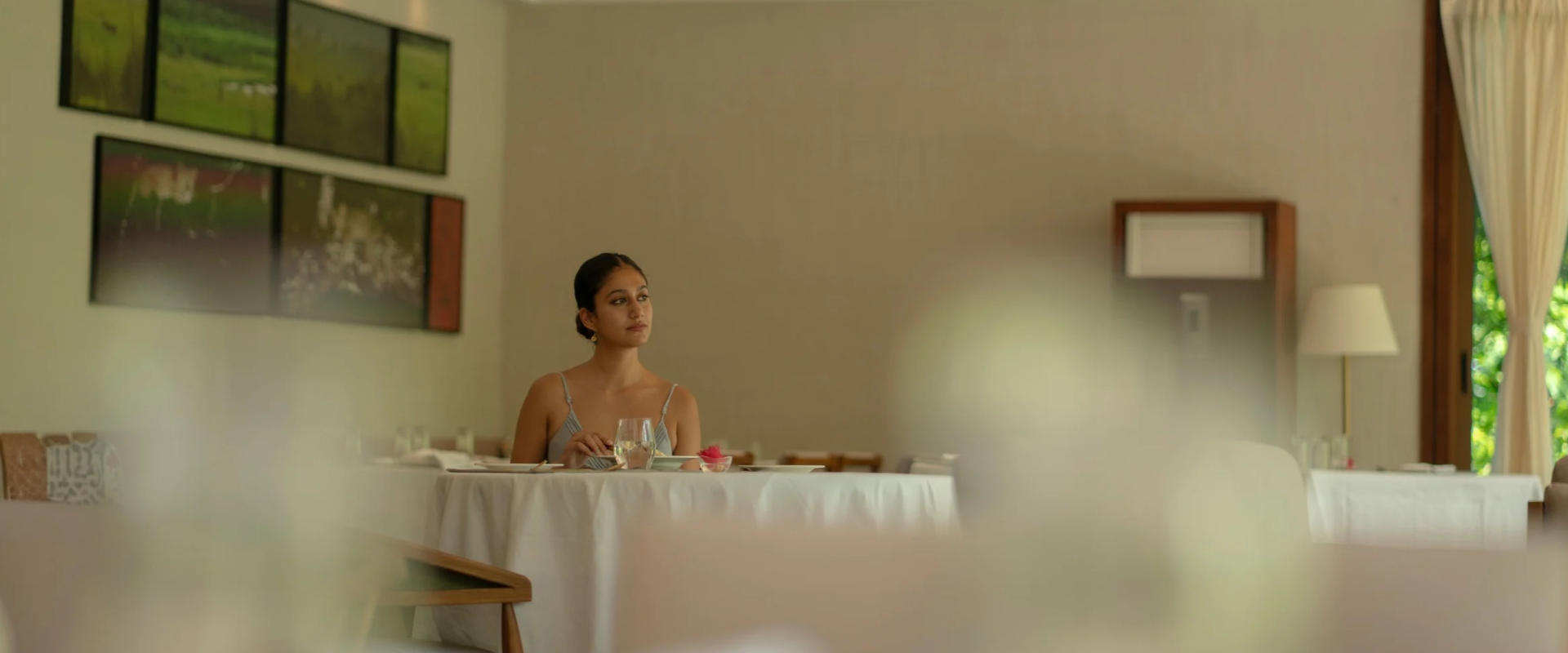
Anytime breakfast, offered across The Postcard Hotel collection with no cut off, supports this rhythm. A guest returning from a dawn drive at half past nine does not rush to a buffet closing at ten. The meal follows the forest's schedule, not the kitchen's. Anytime check in and check out, subject to availability, confirmed at booking, at no additional charge, extends the same principle to arrival and departure. The stay bends around the landscape, not the other way.
Between drives, the most valuable thing a hotel can offer is unstructured time. A verandah with a view of the tree line. A book on the region's ecology. Silence. These are not gaps in the programme. They are the programme.
FOOD FROM THE REGION AROUND THE FOREST
Food at a wildlife property should taste like the region it sits in. Flying in ingredients from distant cities to replicate a metropolitan restaurant menu misses the point. The forest is surrounded by farming communities, fishing villages, orchards, and local food traditions that have evolved alongside the landscape.
At The Postcard Gir Wildlife Sanctuary, the kitchen works with Gujarati and Parsi cooking traditions. Pomfret from Veraval, when available, connects the plate to the Saurashtra coast nearby. An organic garden on the property supplies herbs and vegetables. These choices are not decorative. They ground the guest in the geography of the stay.
Regional food also creates a quieter kind of cultural exchange. A Gujarati thali served near the Gir forest tells a guest something about the agricultural life of the region, about what grows in this soil, about what the communities around the sanctuary eat and celebrate.
WALKING AND LOOKING CLOSELY AT THE SURROUNDINGS
A jeep safari covers distance. A walk covers detail. The two experiences are complementary, and a good wildlife stay offers both where the landscape allows.
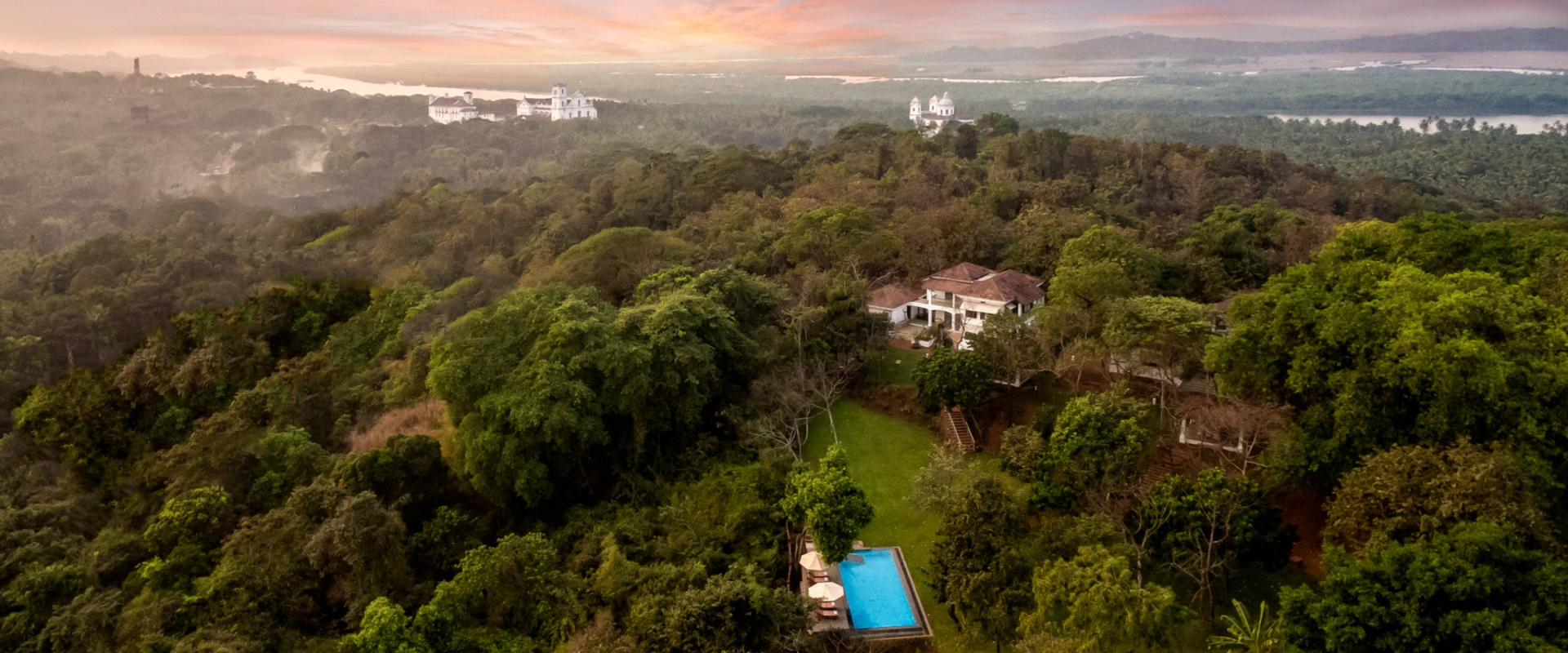
The Postcard Hideaway, Netravali in South Goa sits on 20 acres with the Western Ghats around it. Forest walks and waterfalls are part of the surroundings. Walking here is not a guided nature trail with laminated signs. It is a slower way of being in a landscape, noticing ferns, listening to water, watching how light falls differently under a canopy than in the open.
Even at properties not adjacent to a national park, walking changes the quality of attention. The Postcard in the Durrung Tea Estate in Assam sits within 1,400 acres of working tea plantation. Walking through rows of tea bushes at dawn, with mist still low over the Brahmaputra valley, is a different kind of nature experience, one shaped by a cultivated landscape rather than a wild one, but no less absorbing.
HOSTING THAT EXPLAINS THE PLACE
The most important thing a host at a wildlife property can do is help a guest understand where they are. Not through lectures or printed fact sheets, but through conversation, through the way a meal is described, through the stories attached to a particular tree or water hole.
This kind of hosting requires local knowledge. It requires staff who know the region's seasons, its farming calendar, its festivals, its relationship with the forest. It requires a hotel culture that values explanation over performance.
When hosting works this way, the guest leaves with something more durable than photographs. They leave with a sense of the place, its rhythms, its fragility, its particular beauty. That understanding is what wildlife hospitality in India should aim to create.
The argument is simple. A luxury wildlife stay near an Indian sanctuary should make the landscape more legible, not less. Every choice the hotel makes, from the number of rooms to the food on the plate to the pace of the day, either deepens a guest's connection to the place or dilutes it. The Postcard Hotel chooses to deepen it.