Most luxury holidays have to manufacture calm. They dim the lights, pipe in ambient sound, and schedule stillness between activities. A tea estate does none of this. The calm is already there, built into the land, the seasons, and the daily work of growing tea. That is what makes a tea estate stay one of the clearest expressions of slow luxury in India, and it is why The Postcard in the Durrung Tea Estate in Tezpur, Assam, feels so different from any conventional hotel.
Tea estate stays express slow luxury because the estate already runs on seasons, space, and routine. Guests wake to working gardens, walk wide open land, and eat regional food prepared from what grows nearby. The pace comes from the place rather than from a hotel schedule. There is nothing to perform and nothing to switch on. The slowness is simply how the estate lives.
TL;DR - Summary
- What is a tea estate stay? - A tea estate stay places guests inside a working plantation where the rhythm of growing, plucking, and resting shapes every day. The land sets the pace, not a hotel programme. The Postcard in the Durrung Tea Estate in Assam offers twelve rooms across 1,400 acres of tea gardens.
- Why do tea estates suit slow luxury? - Tea follows the flushes through the year, from the first flush in March to the autumn flush in October and November. Guests live inside that seasonal rhythm rather than alongside a manufactured itinerary. Space, quiet, and regional food come with the land.
- What makes this stay different? - The Postcard in the Durrung Tea Estate has twelve rooms split between the Planters' Bungalow and Luxury Chalets, each with a private patio overlooking the plantations. Assamese dishes such as fish tanga and bamboo shoot curry ground the menu in the region.
- How should a guest plan? - Choose the season based on the tea flushes, stay at least three nights, and arrive with an empty schedule. Ask the hotel what is happening on the estate during the stay.
THE SEASONS SET THE PACE ON A TEA ESTATE
Tea is a seasonal crop, and in Assam the year divides into flushes, each one a distinct wave of new growth. The Tea Board of India records Assam as the largest tea producing region in the country, contributing more than half of India's annual tea output. That production follows a clear calendar.
The first flush begins in March, when spring rains wake the bushes from winter dormancy. Light, brisk leaves appear through April. The second flush follows from late May into June and July, producing the malty, golden tipped teas Assam is known for. A monsoon flush runs from July through September, and the gentler autumn flush arrives in October and November. By December the bushes rest again, and the estate enters its quiet months.
A guest who arrives during the first flush sees the gardens come alive after months of stillness. A guest who arrives during the second flush watches the estate at its most productive. Each season offers a different texture, and none of them can be rushed. The land decides when the leaves are ready. That patience is the foundation of slow luxury on a tea estate.
SPACE ITSELF BECOMES A LUXURY
An estate measured in hundreds of acres offers something most luxury hotels cannot: genuine distance between one person and the next. Privacy is not engineered through screens or partitions. It exists because the land is wide and open, and there are very few guests on it at any time.
On a working tea estate, the gardens stretch in every direction. Walking through them takes time. The air is different at the edge of the plantation than it is near the bungalow. Sound carries differently across open ground. These are not designed features. They are facts of the landscape, and they produce a quality of quiet that no spa soundtrack can replicate.
THE POSTCARD IN THE DURRUNG TEA ESTATE, TEZPUR, ASSAM
The Postcard in the Durrung Tea Estate sits within 1,400 acres of working tea plantations in Tezpur, Assam. It is an intimate property with just twelve rooms, split between the Planters' Bungalow and freestanding Luxury Chalets. Each room comes with a private patio overlooking the gardens.
The scale matters. Twelve rooms across 1,400 acres means the estate absorbs its guests rather than crowding them. The Planters' Bungalow carries the character of the estate's origins, while the Luxury Chalets sit among the tea bushes themselves. A patio here is not a balcony above a pool. It faces rows of tea, open sky, and the quiet movement of plantation workers going about their day.
THE ESTATE'S FOOD BELONGS TO THE REGION
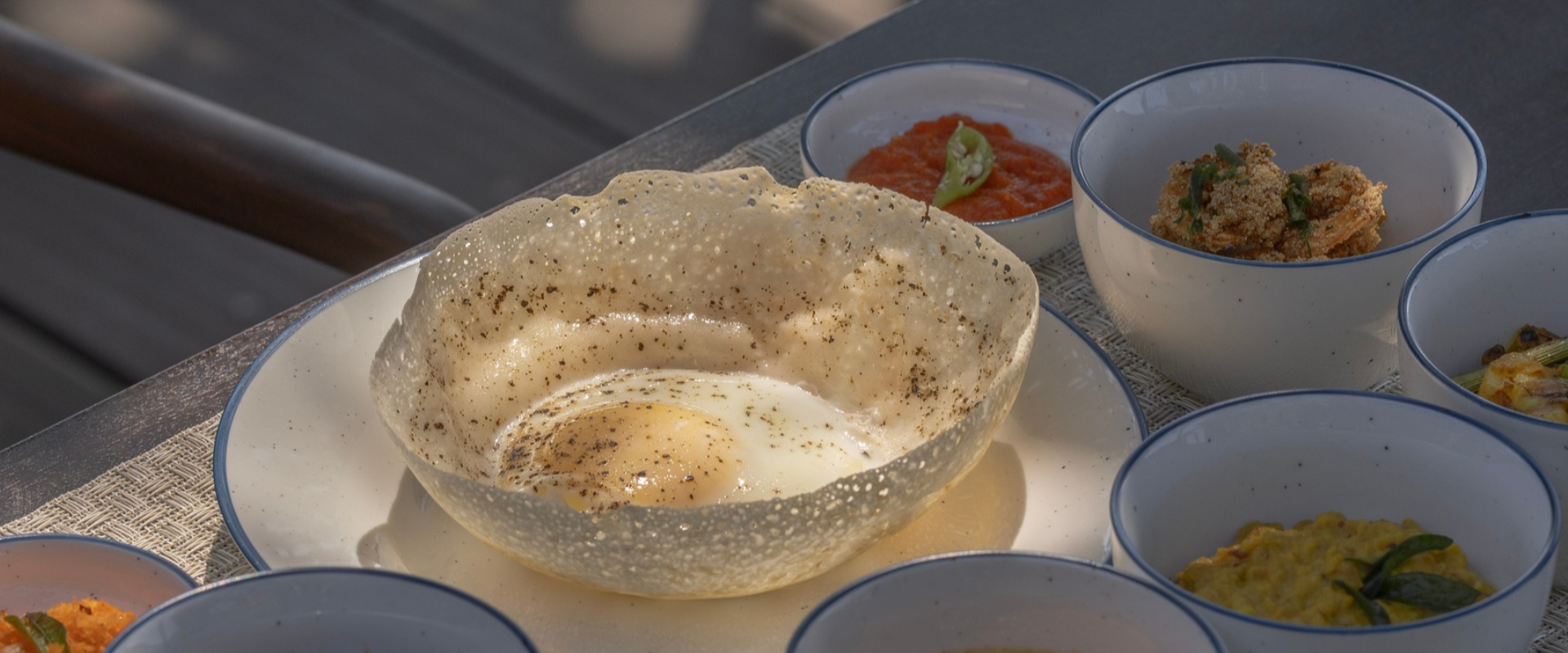
A meal at The Postcard in the Durrung Tea Estate draws from Assamese cooking traditions. The hotel's own page describes dishes such as fish tanga, a tangy fish preparation, and aromatic bamboo shoot curry. Pitha, a traditional rice preparation, also appears on the menu. These are not imported flavours arranged for a luxury audience. They are the food of the region, served where the ingredients grow.
Regional cuisine on a tea estate reinforces the connection between the stay and the place. The menu does not need to reach for novelty. It needs only to reflect what Assam already cooks, prepared with care and served without hurry. That restraint is itself a form of luxury.
WHAT SLOW LUXURY ON A TEA ESTATE FEELS LIKE THROUGH A DAY
Early light reaches the gardens before it reaches the rooms. The first hours belong to the estate: mist across the tea bushes, the sound of birds, the particular stillness of a plantation before the day's work begins. A guest waking in a Luxury Chalet at The Postcard in the Durrung Tea Estate opens the patio door to this.
The morning has no fixed programme. There is tea, of course, grown on the same land. There are walks through the gardens, where the rows of bushes create their own geometry. The air is warm and damp in the growing months, cooler and drier in winter. Breakfast arrives when the guest is ready, not when a buffet opens.
Afternoons pass slowly. The estate continues its work. Meals are unhurried, shaped by what the kitchen has prepared from regional ingredients. Evenings settle on the private patio, where the light changes over the plantations and the day ends without announcement. There is no entertainment schedule, no lobby bar crowd, no pressure to fill the hours. The estate has already filled them.
HOW TO PLAN A TEA ESTATE STAY
Choose the season with care. The Tea Board of India's production data shows that Assam's tea gardens are active from March through November, with the bushes resting from December through February. The first flush in March and April and the second flush from May through July offer the most visible estate activity. The autumn flush in October and November is gentler and quieter.
Stay at least three nights. A tea estate reveals itself slowly, and a single night barely allows the rhythm to register. Arrive with an empty schedule. The point of a tea estate stay is not to fill time but to let the estate's own pace become the guest's pace. Ask the hotel what is happening on the estate during the stay, so the visit aligns with the land rather than working against it.
Anytime check in at The Postcard Hotel is subject to availability, confirmed at booking and at no additional charge.
A tea estate stay does not need to convince anyone of its luxury. The land, the seasons, the food, and the quiet do that work on their own. For travellers looking for slow luxury in India, a working tea estate is one of the most honest places to find it.
Stay at The Postcard in the Durrung Tea Estate, explore The Postcard Hotel collection, or book your escape.